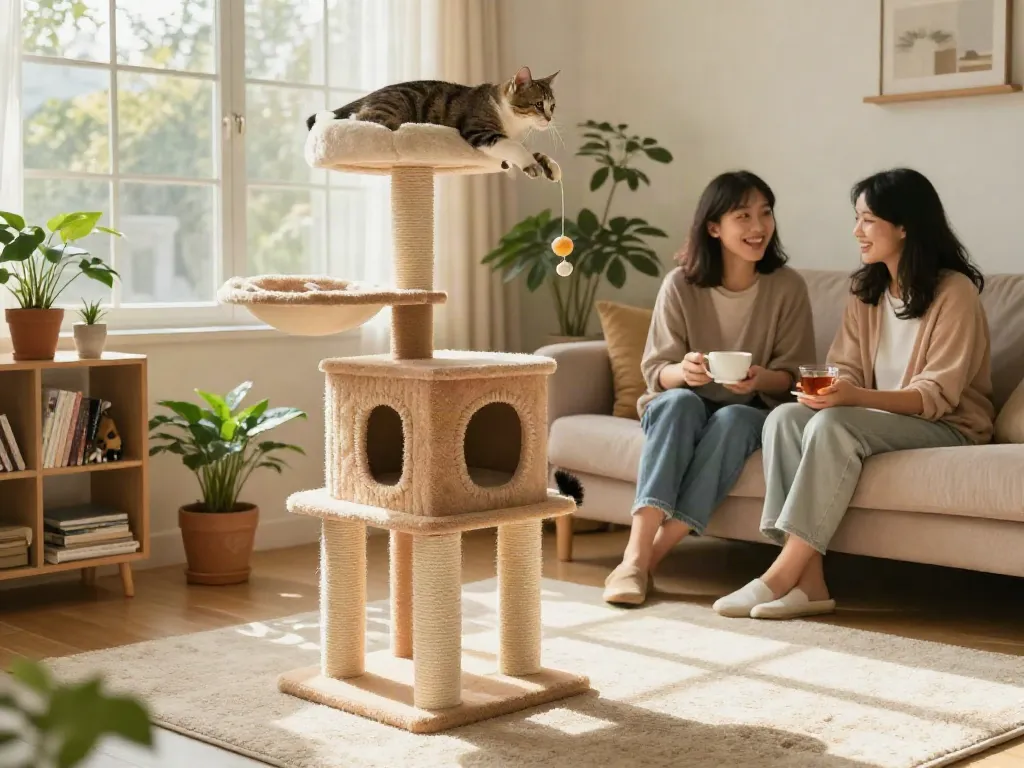
Understanding the Importance of a Cat Tree
A cat tree is more than just a piece of furniture; it's an essential investment in your feline’s happiness and well-being. Cats are natural climbers and explorers, and providing them with a dedicated space that caters to these instincts helps mimic their instinctual behaviours. By understanding the importance of a cat tree, you can create a nurturing environment that enriches your pet's life.
When exploring options, cat tree designs vary significantly, tailored to suit different needs and preferences. From multi-level structures that accommodate active play to cozy hideaways for napping, selecting the right tree can enhance your cat's living space and contribute to their physical and mental health.
Why Every Cat Needs a Cat Tree
Every cat, whether a playful kitten or a sophisticated adult, benefits from having a cat tree. These structures provide a vertical space that allows cats to climb, scratch, and relax, enriching their environment significantly.
- Encouragement of Natural Behaviours: Cats are instinctively drawn to heights; a cat tree allows them to satisfy this urge.
- Prevention of Boredom: A cat tree offers various levels and activities, significantly reducing boredom and destructive behaviour in your home.
- Safe Spaces: High perches on cat trees provide a safe vantage point where cats can observe their surroundings and feel secure.
The Benefits of Vertical Space for Cats
Providing vertical space is crucial for indoor cats. It allows them to climb and explore, mimicking the natural tree-climbing behaviour they exhibit in the wild. Vertical spaces promote exercise, stimulate hunting instincts, and even prevent obesity, which is a common issue among house cats.
Moreover, climbing can help reduce stress levels in felines. When they have high places to retreat to, cats can escape from perceived threats, creating a sense of security within their territory. This is vital for multi-cat households, where competition for ground space can provoke stress and anxiety.
Choosing the Right Cat Tree for Your Home
When selecting a cat tree, consider your cat’s size, age, and activity level. Kittens may benefit from smaller, lower structures, while larger breeds like Maine Coons need sturdier, taller designs. It’s also essential to match the style of the cat tree with your home decor, ensuring it fits seamlessly within your living space.
Look for features such as multiple levels, scratching posts, and integrated toys, which cater to your cat's play and exercise needs. Always check the stability and materials used in the cat tree to ensure durability and safety.
Design Features to Look for in a Cat Tree
Durability: Materials That Last
Cat trees are subjected to a lot of wear and tear, so selecting one made from durable materials is critical. Look for structures built from solid wood or high-quality engineered wood, ensuring they can withstand the scratching and climbing.
Additionally, sisal rope is a popular material used for scratching posts. It's durable and encourages cats to scratch rather than your furniture. Fabrics used for covering platforms should be easy to clean and resistant to wear, as cats often shed hair and may claw at the material.
Design Innovations in 2026 Cat Trees
The evolution of cat furniture has led to innovative designs that blend functionality with aesthetics. The 2026 trend focuses on sleek, modern designs that complement contemporary interiors. Many cat trees now include modular components, allowing owners to customise their cat's space according to their preferences.
- Integrated Play Areas: Many new designs now feature built-in play zones, including interactive elements that keep cats engaged.
- Multi-Purpose Furniture: Cat trees are increasingly being designed to serve multiple functions, acting as both play areas and stylish furniture.
- Eco-Friendly Materials: An increasing number of manufacturers are opting for sustainable materials, appealing to environmentally-conscious consumers.
Cat Tree Sizes: What Fits Your Space?
Cat trees come in various sizes, from compact models ideal for small apartments to expansive towers suitable for larger homes. When choosing a size, consider the available space and your cat's preferences. Ensure there is enough room for the cat tree without overcrowding the room. A well-placed cat tree can act as a focal point in your home while providing essential play and relaxation areas for your pet.
Engaging Your Cat with a Cat Tree
Fun Activities for Cats on Their Tree
Cat trees are designed for maximum engagement. They often come equipped with tunnels, ramps, and platforms for climbing, which provide a physical outlet for your cat's energy. Providing toys attached to the tree can increase engagement, as can placing treats or catnip on different levels to encourage exploration.
How to Encourage Play and Exploration
To maximise the benefits of a cat tree, actively encourage your cat to use it. Play with your cat using a feather wand or laser pointer, directing them towards the tree to associate it with fun and excitement. Regularly rotate toys and treats to maintain their interest, making the cat tree a go-to spot for playtime.
Creating a Cat-Friendly Environment
The placement of the cat tree is crucial in creating a cat-friendly environment. Ideally, it should be positioned near windows or in busy areas of the home where your cat can observe the household and outside activity. Making the cat tree an integral part of your cat's environment increases the likelihood they will use it regularly.
Common Misconceptions About Cat Trees
Are Cat Trees Only for Kittens?
One common misconception is that cat trees are only suitable for kittens. In reality, cats of all ages benefit from a cat tree. Adult and senior cats need spaces to stretch, play, and rest just as much as younger ones. They may prefer lower levels that are easier to access but will still appreciate having their spaces to engage and retreat.
The Truth About Cat Tree Maintenance
Cat trees require maintenance, but it’s minimal compared to the benefits they provide. Regularly inspect for loose parts, and vacuum or wipe down surfaces to remove cat hair and dander. Replacing scratching posts and repairing any wear can extend the life of your cat tree significantly.
Do Cats Really Use Their Cat Trees?
Many cat owners wonder if their felines will truly use the cat tree. The answer is a resounding yes, especially when the tree is tailored to their preferences. Offering multiple levels and engaging features increases the likelihood that your cat will find it an appealing spot for relaxation, play, and observation.
The Future of Cat Trees and Pet Ownership
2026 Trends in Pet Furniture Design
As pet ownership continues to grow, the demand for stylish yet functional furniture is on the rise. The 2026 trend sees a shift towards furniture that seamlessly integrates into home interiors without sacrificing functionality. This highlights an increasing acceptance of pets as part of family life.
Furniture designers are now creating cat trees that resemble modern art pieces, ensuring they don’t detract from the home’s aesthetic. The blend of style and practicality is essential for today’s discerning pet owners.
Smart Technology in Cat Trees
Another exciting trend is the incorporation of smart technology in cat trees. Some models now offer features like automated toys, health monitoring systems, and even self-cleaning elements. This evolution not only caters to the practical aspects of cat ownership but also enhances the overall experience for both pet and owner, making interactions more engaging and convenient.
How Cat Trees Contribute to Overall Pet Wellness
Investing in a cat tree goes beyond providing a play area; it can significantly contribute to your pet’s overall wellness. By encouraging exercise through climbing and playing, you help maintain a healthy weight and promote physical fitness. Additionally, cat trees can reduce stress and anxiety by providing safe spaces for retreat.
What Should I Look for When Buying a Cat Tree?
The key factors when buying a cat tree include stability, durability, design, and size. Ensure the structure is sturdy enough to support your cat’s weight and active play. Check the materials used and look for features that suit your pet’s needs, such as scratching surfaces and hideaways.
How Can a Cat Tree Improve My Cat's Behaviour?
Having a cat tree can significantly improve your cat’s behaviour by reducing destructive tendencies. By providing designated scratching areas, your cat is less likely to claw at your furniture. Moreover, a cat tree encourages play, which helps expend excess energy and promotes good behaviour.
Are There Cat Trees Suitable for Large Breeds?
Yes, several cat trees are specifically designed for larger breeds. These models typically feature sturdier construction and wider platforms to accommodate bigger cats. When shopping for a cat tree for a large breed, look for models that highlight their weight capacity and stability.
What Materials are Best for Cat Trees?
Quality materials are essential for durability and safety in cat trees. Look for structures made of solid wood or high-grade MDF, as they provide sturdiness. Sisal rope is ideal for scratching posts, while removable, washable fabric covers can help keep the tree clean.
How Can I Encourage My Cat to Use a New Cat Tree?
To encourage your cat to use a new cat tree, place it in a location where they naturally spend time. Use treats and toys to lure them onto the tree and allow them to explore it at their own pace. Giving positive reinforcement when they use it will also help them feel more comfortable.
How Do I Maintain a Cat Tree for Longevity?
To maintain a cat tree, regularly inspect it for wear and tear, ensuring bolts are secure and materials are intact. Vacuum it weekly to remove hair and dander, and spot-clean any stains. Additionally, consider replacing worn scratching posts to keep your cat interested in their tree.